Sarah is featured in our Careers in Physics lesson - download for free today!
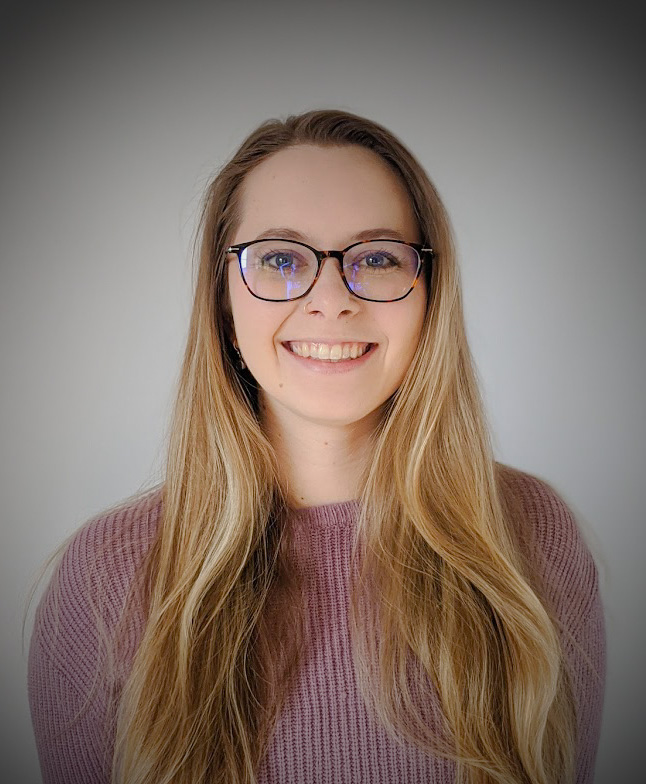 Sarah Ostrander
Senior Process Engineer
What motivates you in your career?
As a Process Engineer for Medical Devices, the safeguards and considerations I take early in the process development and execution stages could make a life or death difference for a patient. Knowing that I am making a difference in the medical industry and the lives of the patient's is extremely rewarding.
How do you feel like you've been able to help others?
I help end users through the product lines I am involved with, but also within my Engineering teams through my Strengths. Having gone through the Clifton Strengths Finder assessment, my top 5 strengths are: Woo, Harmony, Individualization, Positivity, and Communication. These aren't your typical strengths of an Engineer like Analytical, Strategic, or Achiever. What I've come to learn is that the strengths I possess help immensely with teamwork and relationship building which is crucial in Engineering.
What impact do you hope to make on the world?
I want to help make medical devices more reliable, cost effective, and overall just better. I hope that health and good medical care will become easier for individuals to afford and access, as well as the scope of products and solutions that become available as technology and processes advance.
What challenges have you faced, and how have you overcome them?
Getting my B.S. in Engineering Physics was a struggle in more ways than the obvious, difficult coursework. I chose my major because I knew I either wanted to be involved with medical devices (after my time as an EMT) or with the aerospace industry (after attending Space Camp in Middle School). I was involved in just about everything on campus (Marching Band, Mentor Programs, Student Assistant, Society of Physics Students, etc.) as well as holding 1 if not 3 jobs (coffee shop, EMT, cashier) at the same time. This made time management really difficult! Combine this with the fact that I couldn't retain what was spoken in lectures and it wouldn't surprise you that I had to repeat a few classes during that time. In my junior year I found out I had ADHD and that realization along with treatment changed everything. Up until that point I had greatly struggled with the thought that I was not intelligent enough to pursue Engineering Physics. I had been struggling with grasping concepts spoken to me in a lecture, taking exams with earplugs and visual blinders (my sweatshirt hood or removing my glasses), and needing to go through everything twice or three times. All of these things weren't due to a lack of intelligence, I just didn't have the same toolset as everyone else - as soon as I realized this and worked towards adapting to the toolset I had, everything was uphill from there! My biggest challenge was overcoming my own hurdle that being different didn't make me less of an Engineer.