2025 International Particle Accelerator Conference (IPAC’25)
Stella Su, National Synchrotron Radiation Research Center, IPAC’25 Scientific Secretariate
More than 1,000 accelerator scientists, engineers, and students from 37 countries gathered in Taipei for the 16th International Particle Accelerator Conference (IPAC’25), held from June 1 to 5. Hosted by the National Synchrotron Radiation Research Center (NSRRC), the week-long event marked Taiwan’s debut as a conference host, featuring strong scientific programs, warm hospitality, and seamless organization.
Scientific sessions were held at the Taipei International Convention Center, while posters and industry exhibitions took place just across the street at the Taipei World Trade Center. This close arrangement made it easy for participants to move between venues, encouraging professional engagement and interactive networking.
The program included more than 80 talks—plenary, invited, and contributed—and roughly 1,100 posters, covering colliders and related accelerators, photon sources and electron accelerators, novel particle sources and acceleration techniques, hadron accelerators, beam dynamics and EM fields, beam instrumentation and controls, feedback and operational aspects, accelerator technology and sustainability, applications of accelerators, and engagement for industry and society. A total of 871 papers were published through JACoW, with around 40 JACoW editors on-site reviewing them. Additionally, 52 papers underwent light peer review and were accepted for publication in IOP journals.
Following tradition, IPAC’25 held three themed sessions that broadened scientific dialogue with social, cultural, and institutional perspectives. The Productive Research Environment Session addressed workforce development and research efficiency, with speakers from KEK, Université Paris-Saclay, SLRI, ALBA, QST, and Kyma SpA. The Industry Session explored academia–industry collaboration, including magnetic alloy applications, career opportunities for young scientists, and Taiwan’s first heavy ion therapy center by Ruentex, Hitachi, and NSRRC. The Entertainment Talk offered a cultural detour, highlighting Taiwan’s Austronesian heritage and connections across the Pacific.
IPAC has long served as a key platform connecting academia and industry. At IPAC’25 more than 80 companies and organizations participated in the four-day exhibition, featuring 75 booths, four vendor seminars, and various sponsorship and advertising opportunities. The Taiwan Pavilion showcased local companies contributing to accelerator components and subsystems, demonstrating Taiwan not just as a user of advanced technologies but as an emerging supplier of high-quality industrial solutions.
Beyond formal sessions, IPAC’25 emphasized social interactions, creating spaces for informal conversations, collaborations, and friendships. A Welcome Reception and Conference Banquet provided casual settings to facilitate these connections.
On the final day, attendees visited the Taiwan Photon Source—518.4 meters in circumference, operational since 2016, producing X-rays up to 3 GeV—to gain insights into its magnet systems, superconducting resonators, and cryogenic infrastructure. Another group toured the Heavy Ion Therapy Center at Taipei Veterans General Hospital—recently recognized by the Particle Therapy Co-Operative Group (PTCOG) as the 14th operational heavy-ion therapy facility worldwide—to learn about medical applications of accelerator technology.
The conference also nurtured the next generation of accelerator scientists through the student scholarship program, which provides financial assistance to students across Asia, the Americas, and Europe/Middle East/Africa. In 2025, 61 recipients attended in person and supported on-site activities, including 14 from Asia, 17 from the Americas, and 30 from Europe/Middle East/Africa.
In addition to two best poster prizes, ACFA/IPAC’25 presented four major awards in accelerator science. The Xie Jialin Prize went to Hitoshi Tanaka (RIKEN SPring-8 Center) for his contributions to linear and circular accelerator-based photon sources. The Nishikawa Tetsuji Prize was awarded to Liangting Sun (Institute of Modern Physics, CAS) for his work on high-performance, high-charge-state ECR ion sources, including superconducting ECR development. Riccardo Pompili (LNF-INFN) received the Hogil Kim Prize for pioneering research in accelerators and plasma physics. The Mark Oliphant Prize was awarded to Adam Steinberg (Manchester University & Melbourne University) for applying fixed field accelerator technologies to hadron therapy, advancing beam extraction, transport, and delivery.
After three years of preparation, IPAC’25 successfully welcomed the global accelerator community to Taipei. The week was filled with engaging talks, fruitful collaborations, and inspiring discoveries, concluding on a high note, and leaving participants excited for the next gathering: IPAC’26 in France.
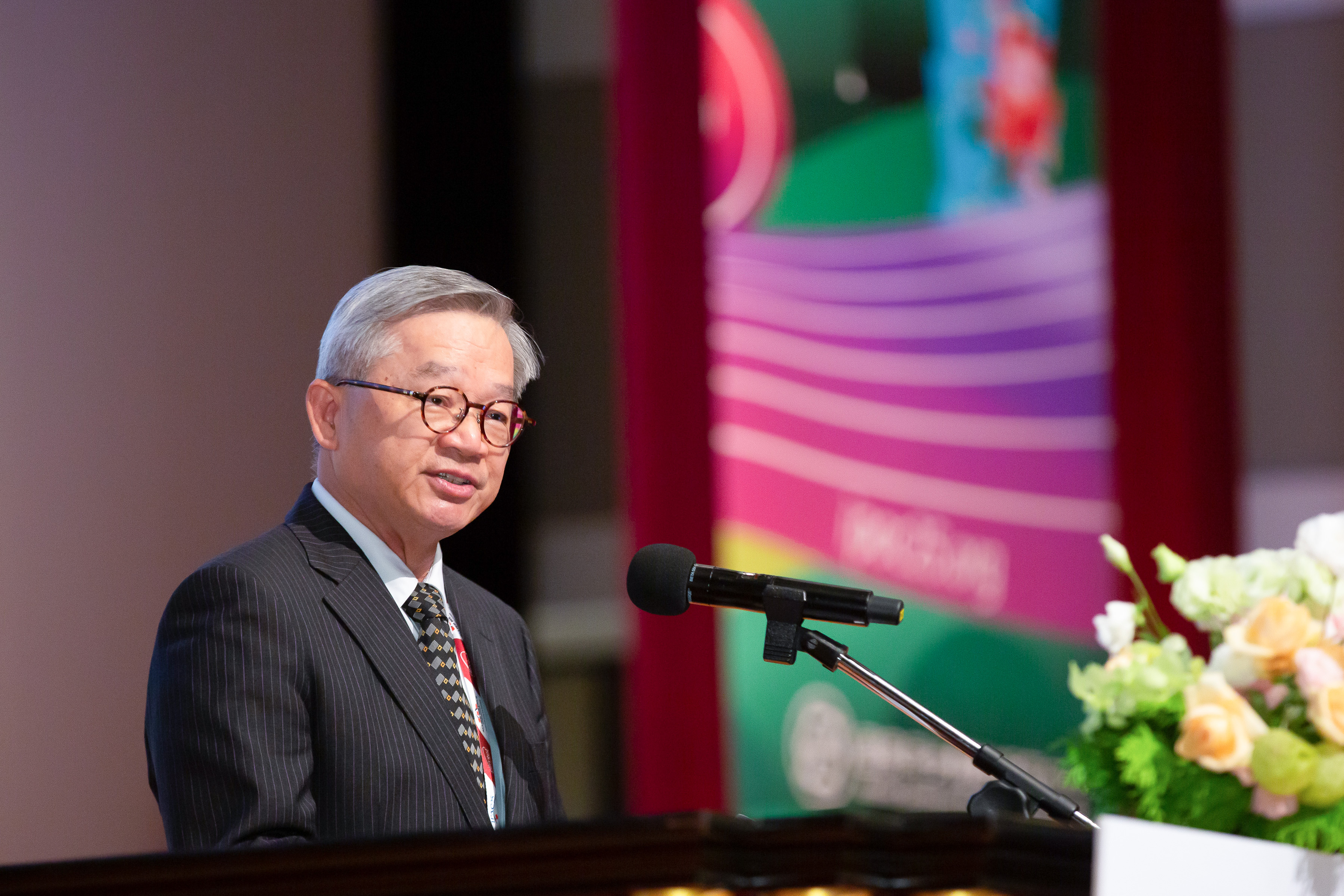
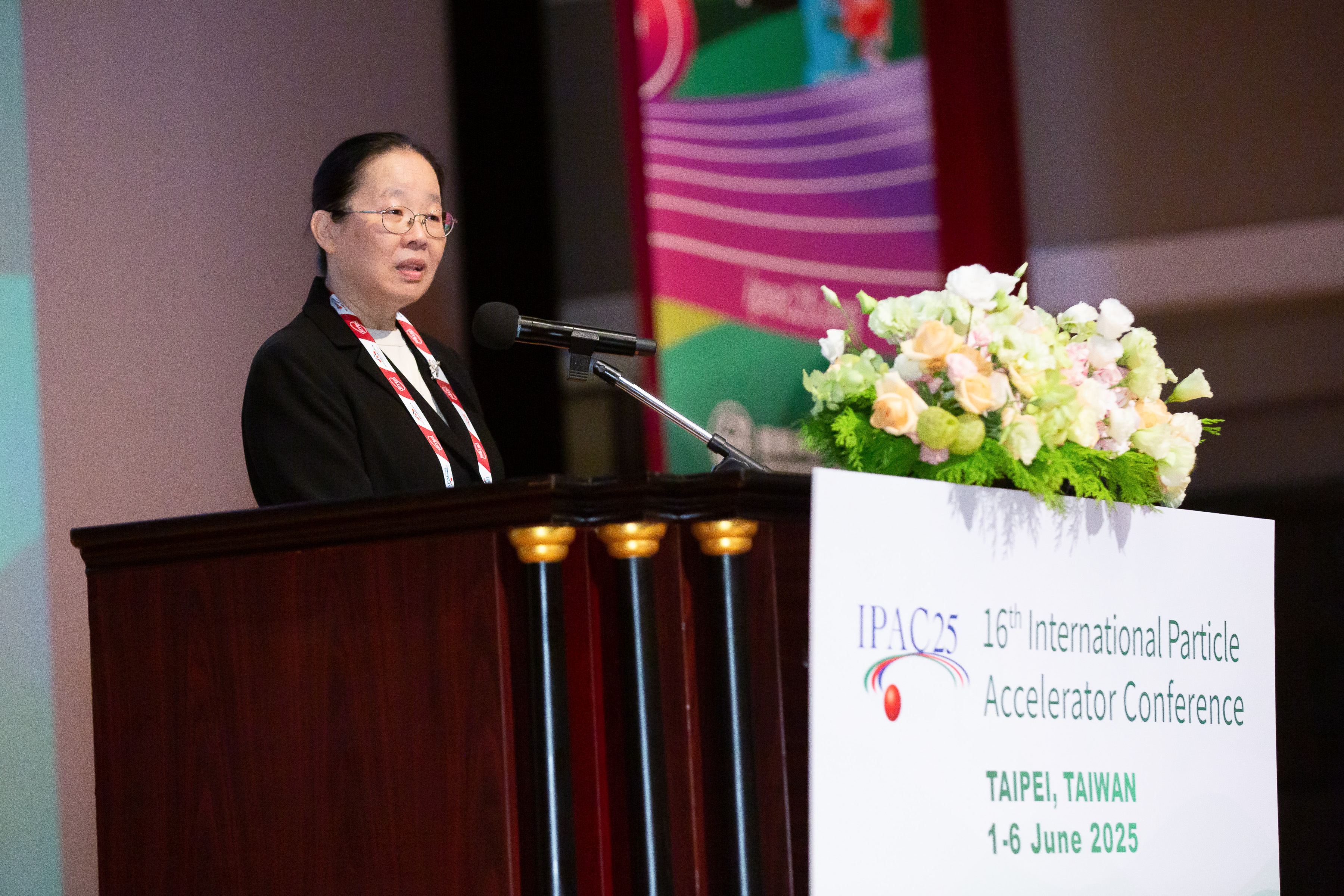
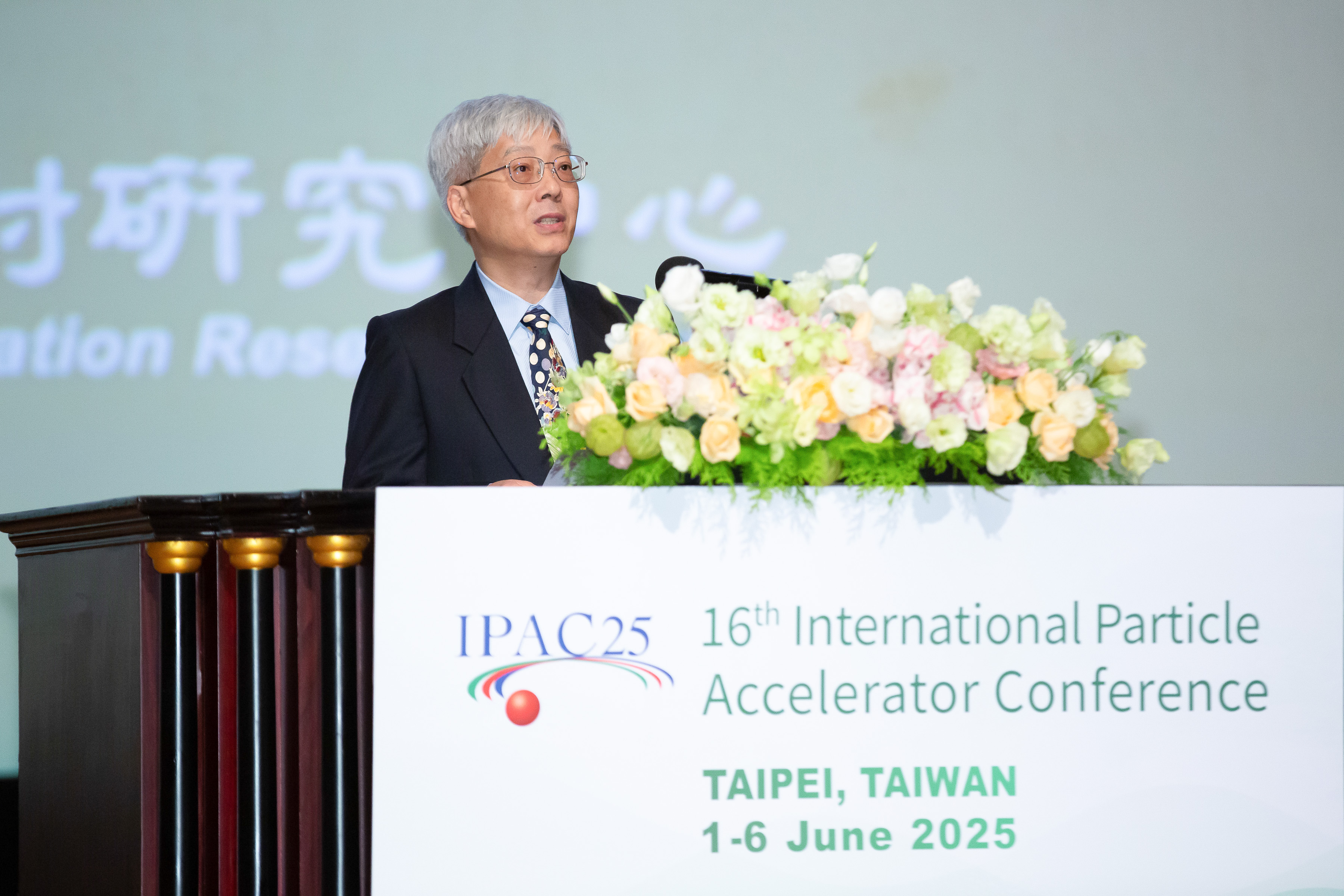
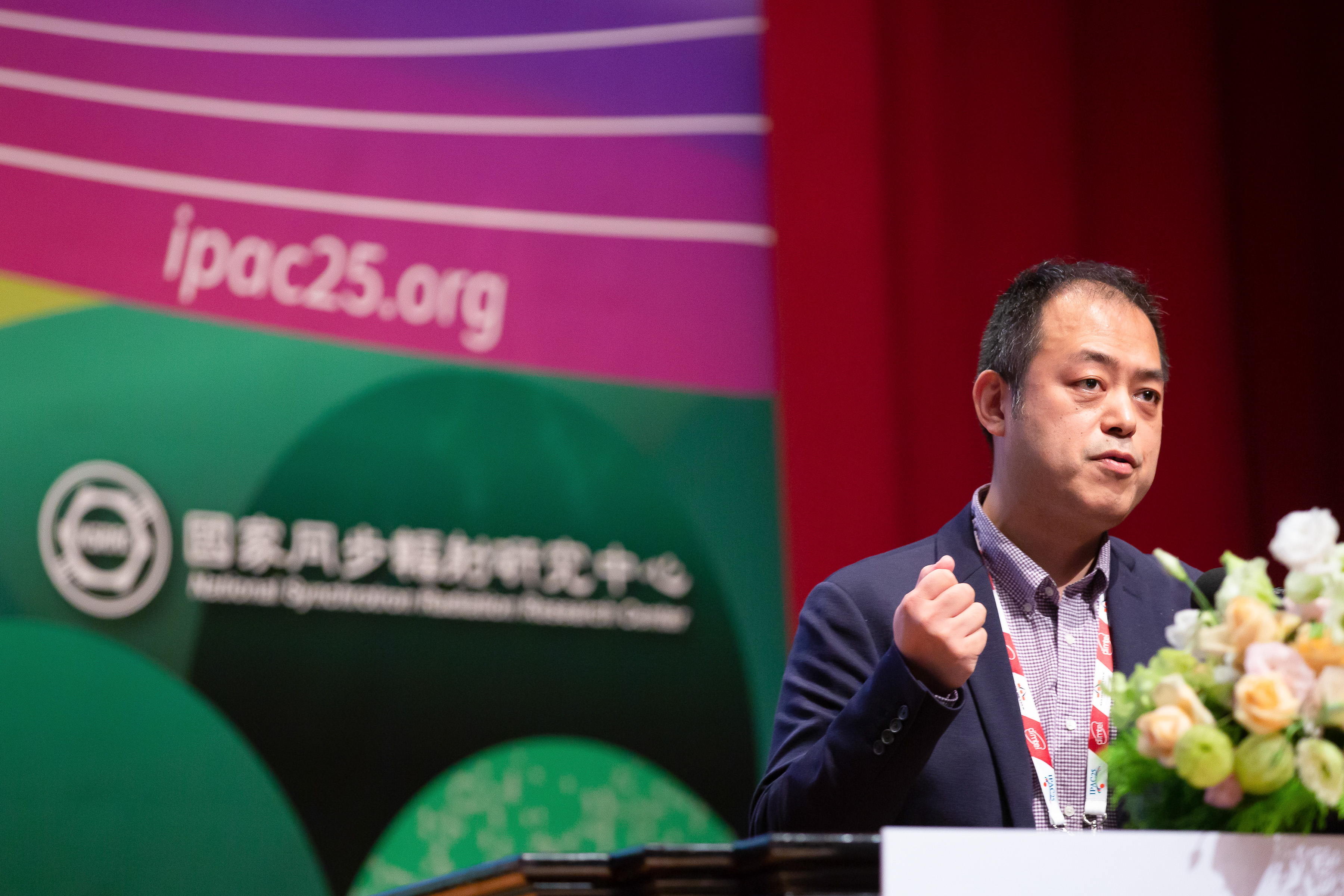
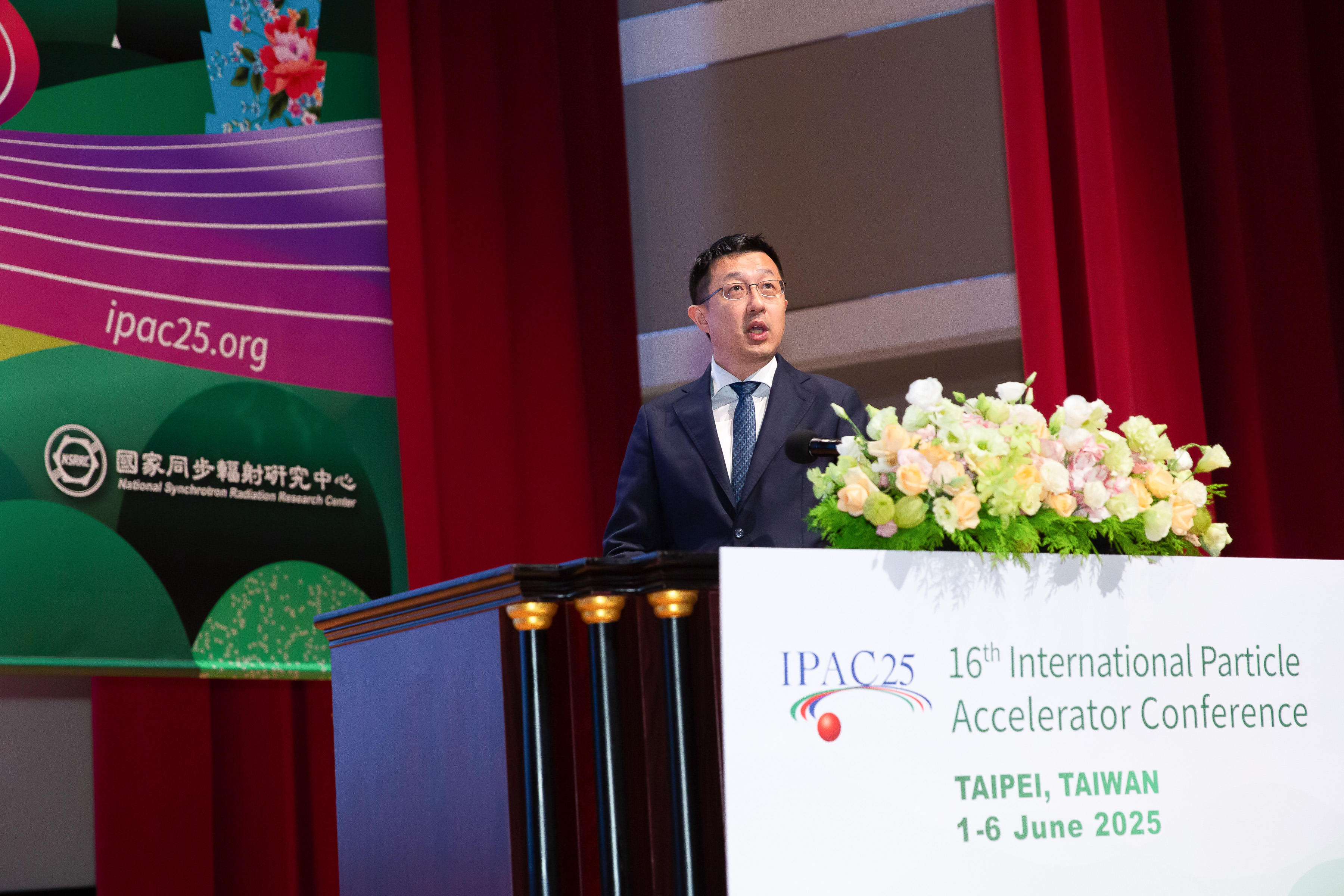
The opening session featured welcome remarks by Minister Cheng-Wen Wu of the National Science and Technology Council and NSRRC Director Chia-Hung Hsu. The conference was officially opened by Conference Chair Ming-Chyuan Lin (NSRRC), followed by introductions from Scientific Program Committee Chair Yoichi Sato (KEK) and Local Organizing Committee Chair Jui-Che Huang (NSRRC).
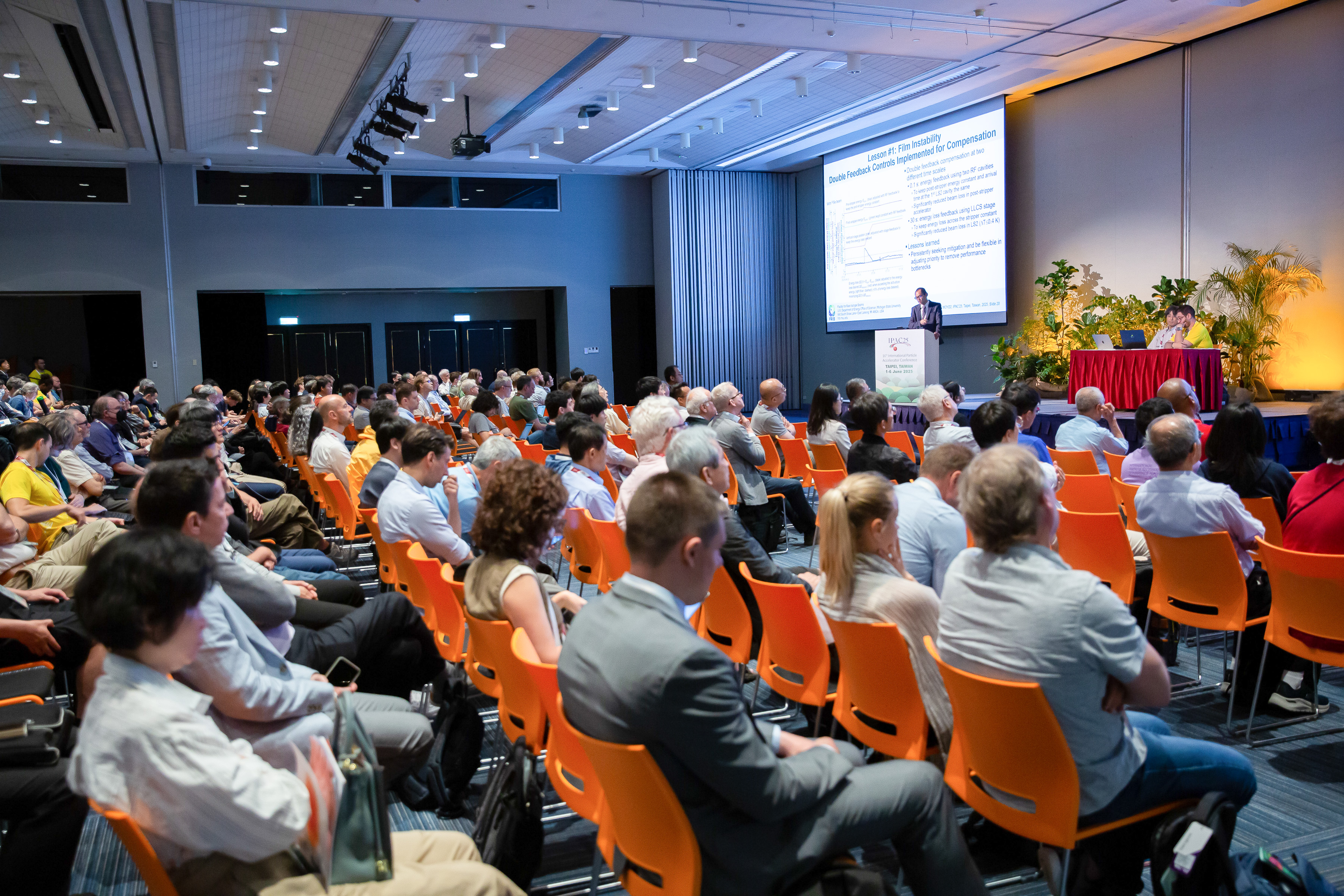 One of the well-attended sessions brought attendees together to explore the latest cutting-edge ideas and discoveries.
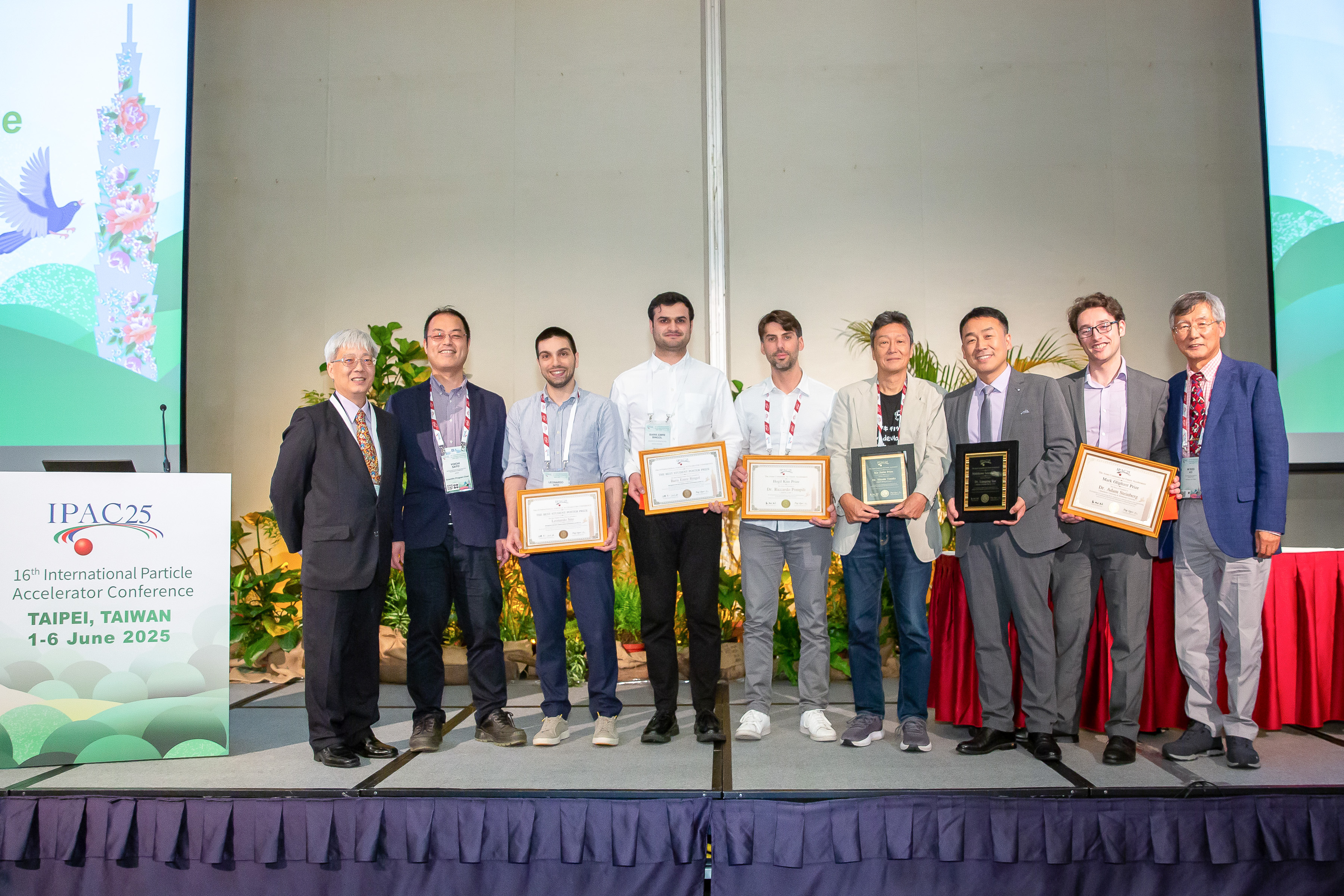
At the Award Ceremony, IPAC’25 presented two Best Student Poster Prizes to Leonardo Sito (University of Naples Federico II) and Baris Emre Bingol (University of Strathclyde), together with four major ACFA/IPAC’25 awards in accelerator science: the Hogil Kim Prize to Riccardo Pompili (LNF-INFN), the Xie Jialin Prize to Hitoshi Tanaka (RIKEN SPring-8 Center), the Nishikawa Tetsuji Prize to Liangting Sun (Institute of Modern Physics, CAS), and the Mark Oliphant Prize to Adam Steinberg (Manchester University & Melbourne University).
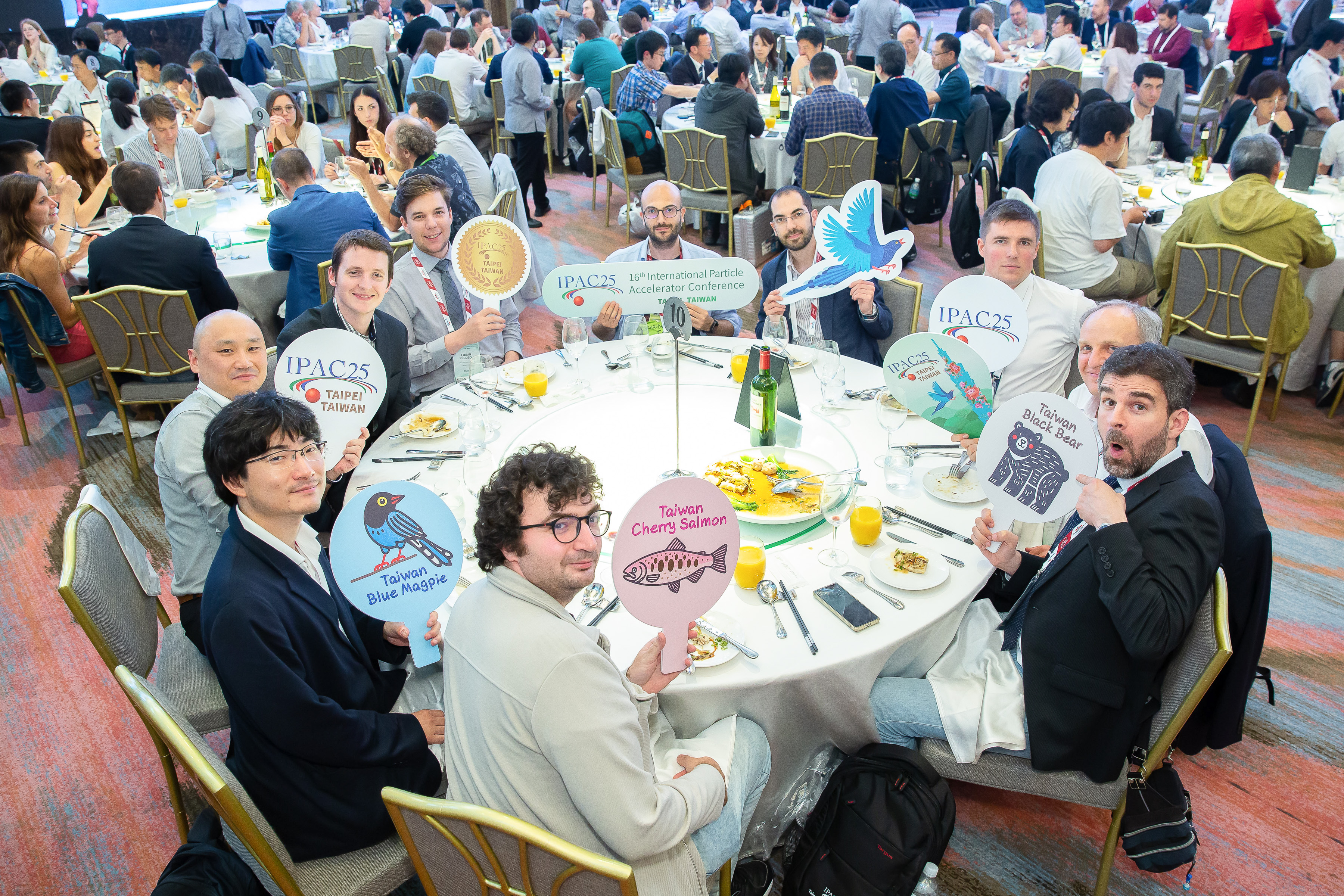
On the evening of June 5, nearly 800 participants gathered for the Conference Banquet, enjoying a lively atmosphere, networking connections, and fine cuisine.
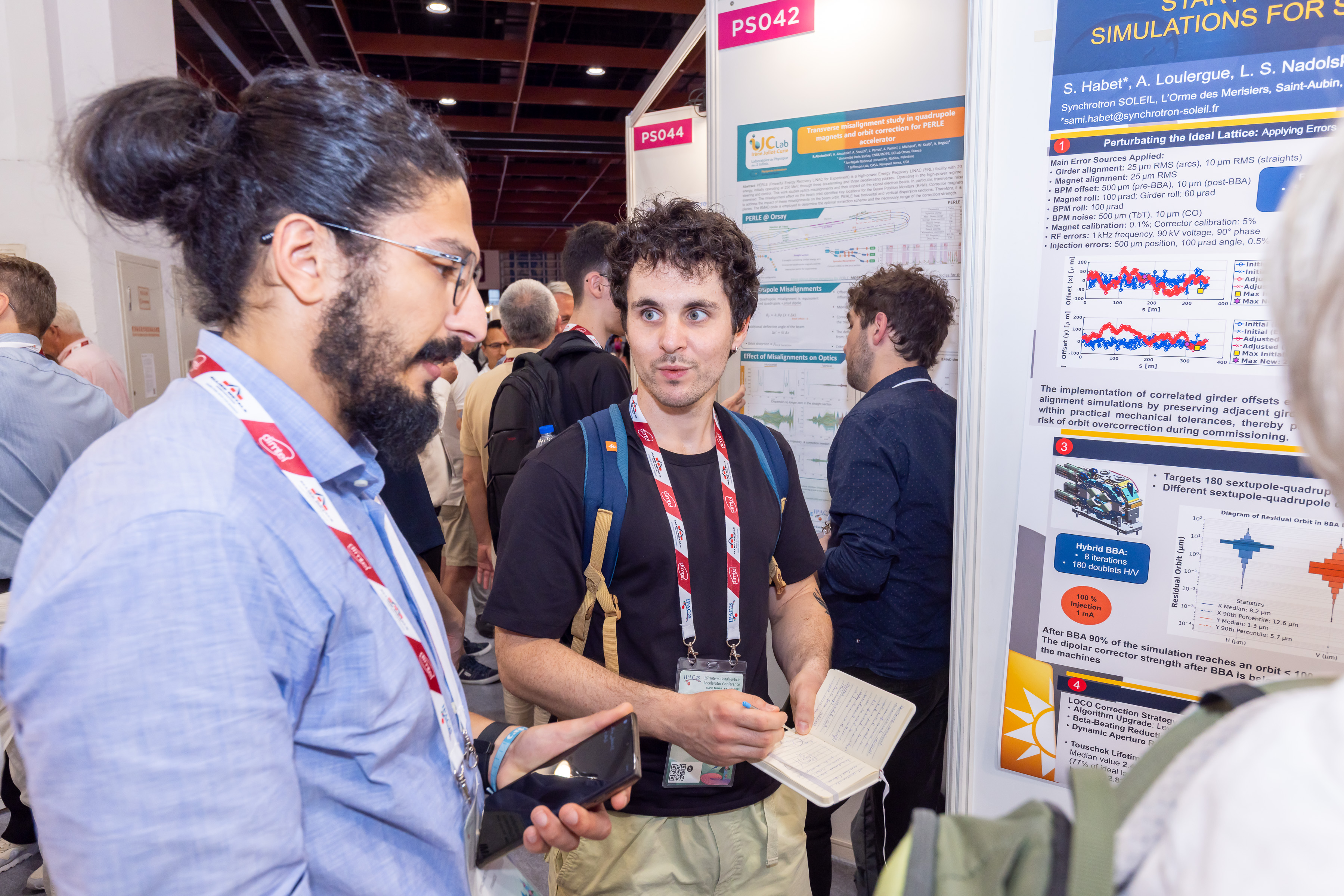
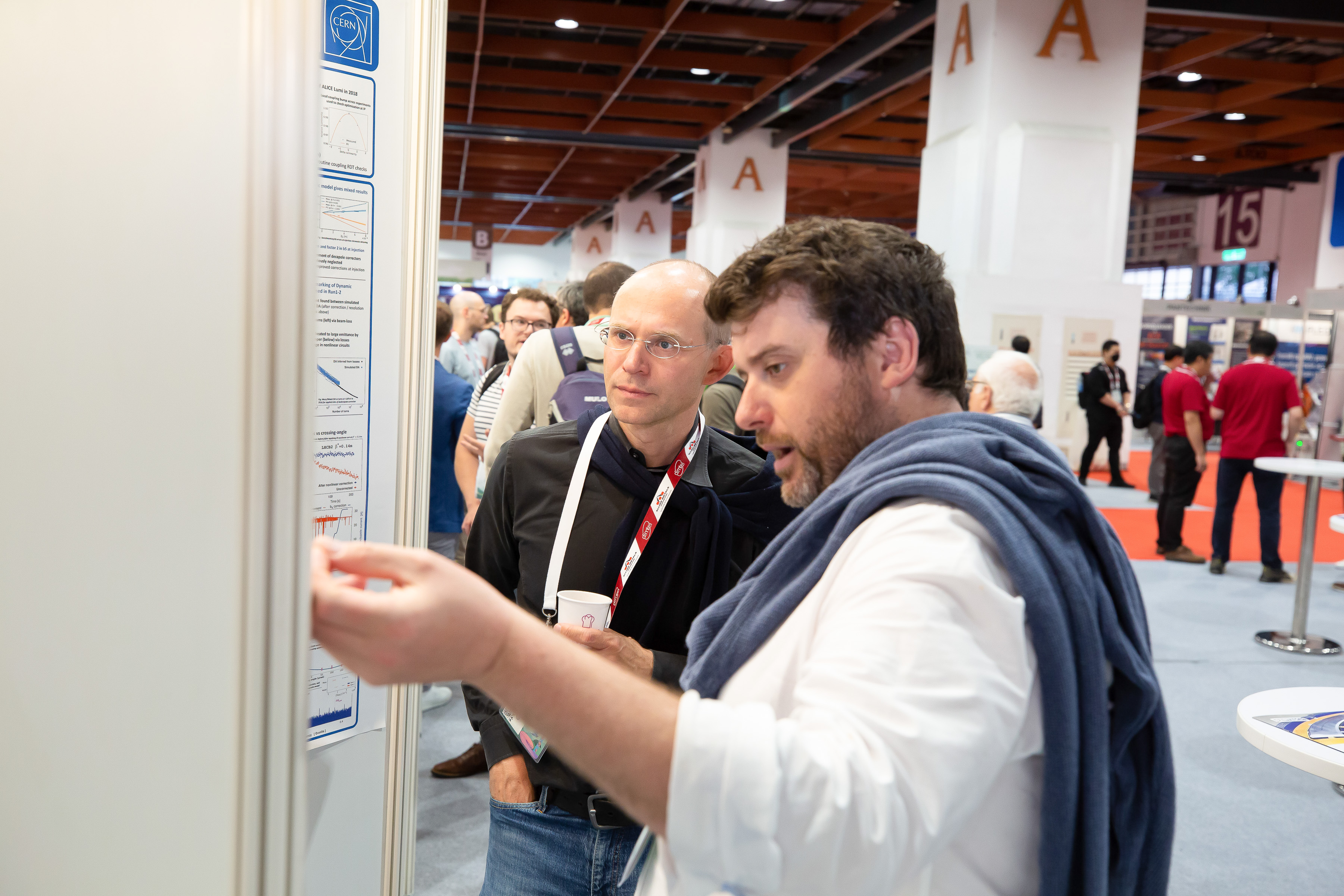
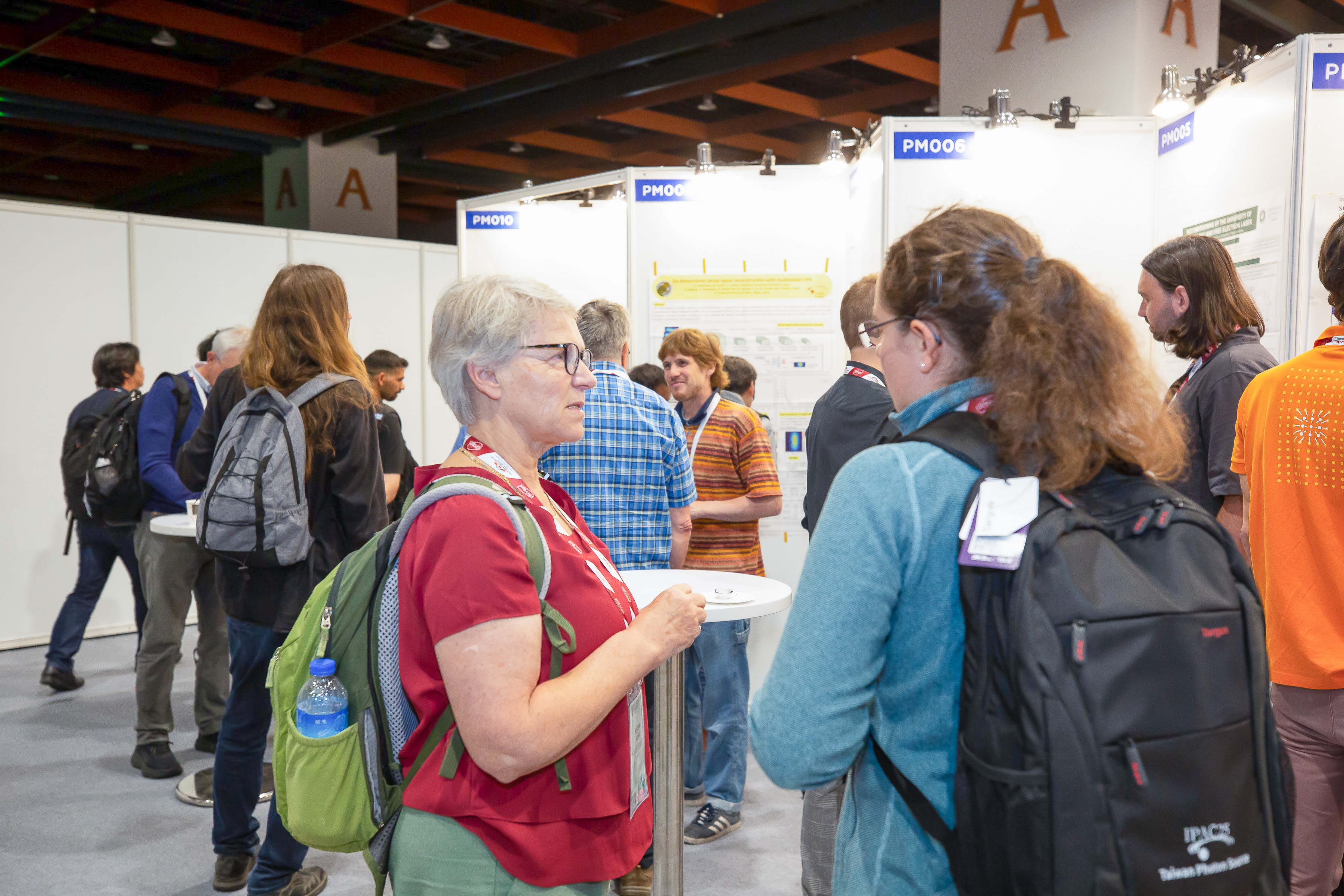
With nearly 1,100 presentations, the IPAC’25 poster sessions fostered in-depth discussions, idea sharing, and collaboration opportunities,
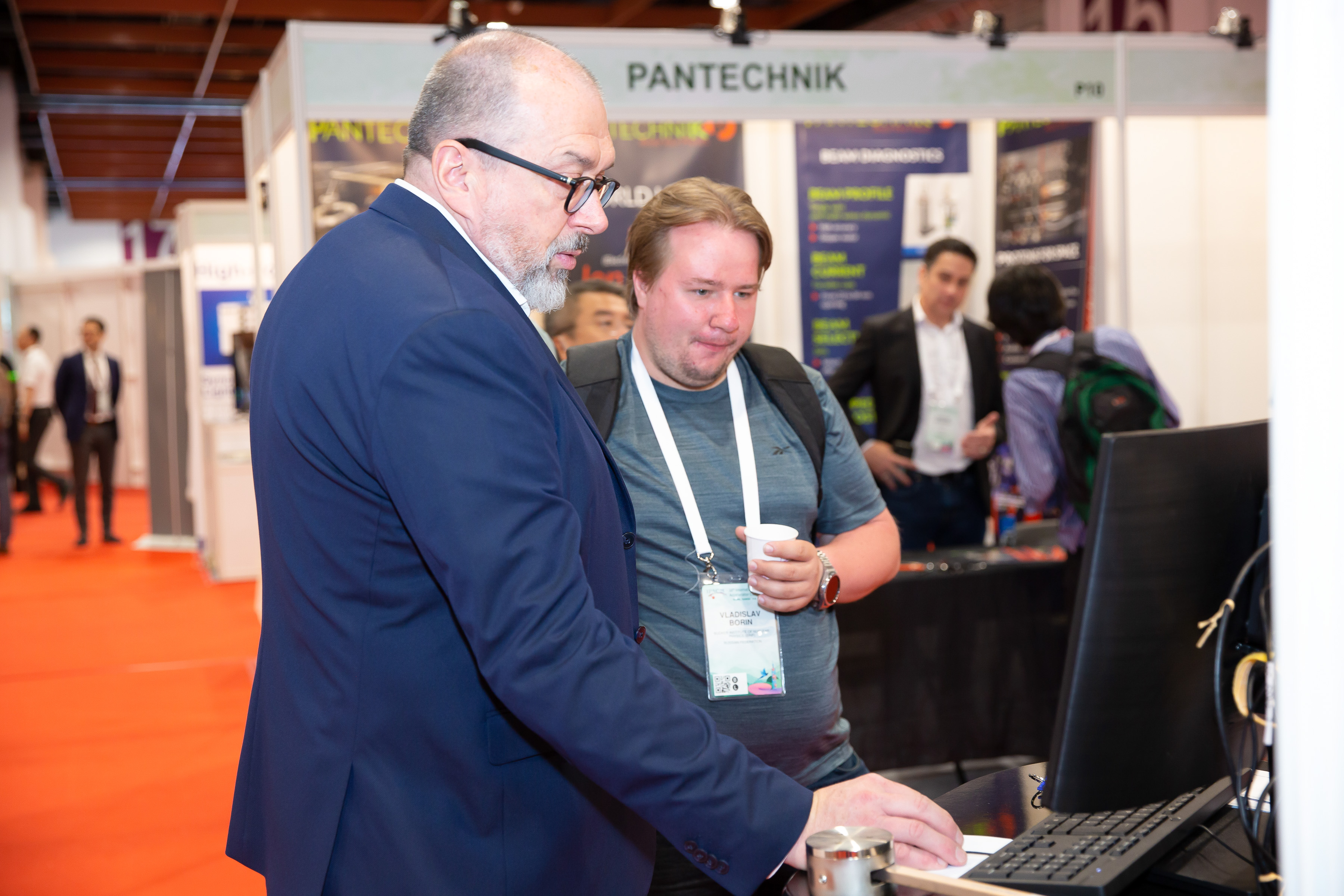
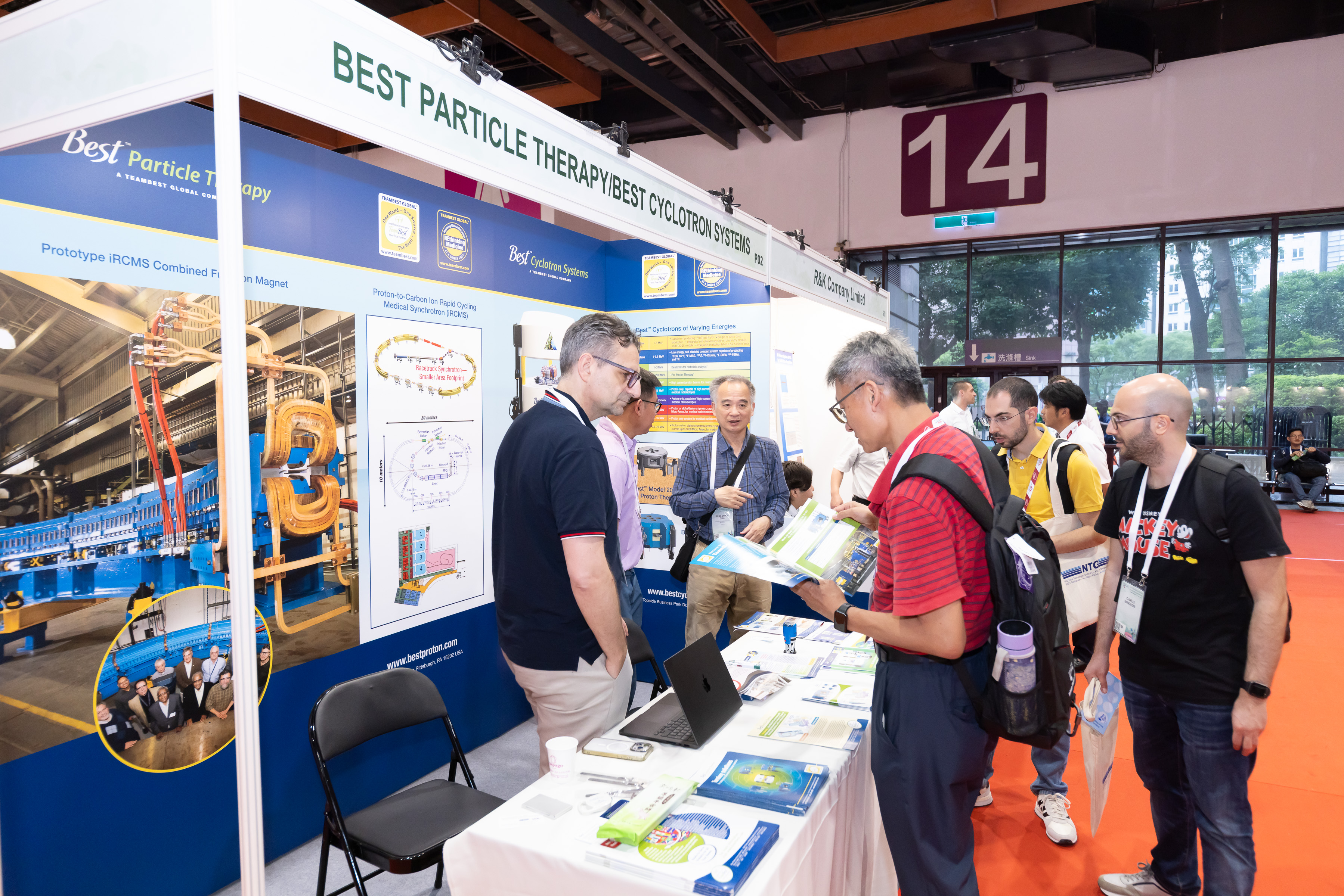
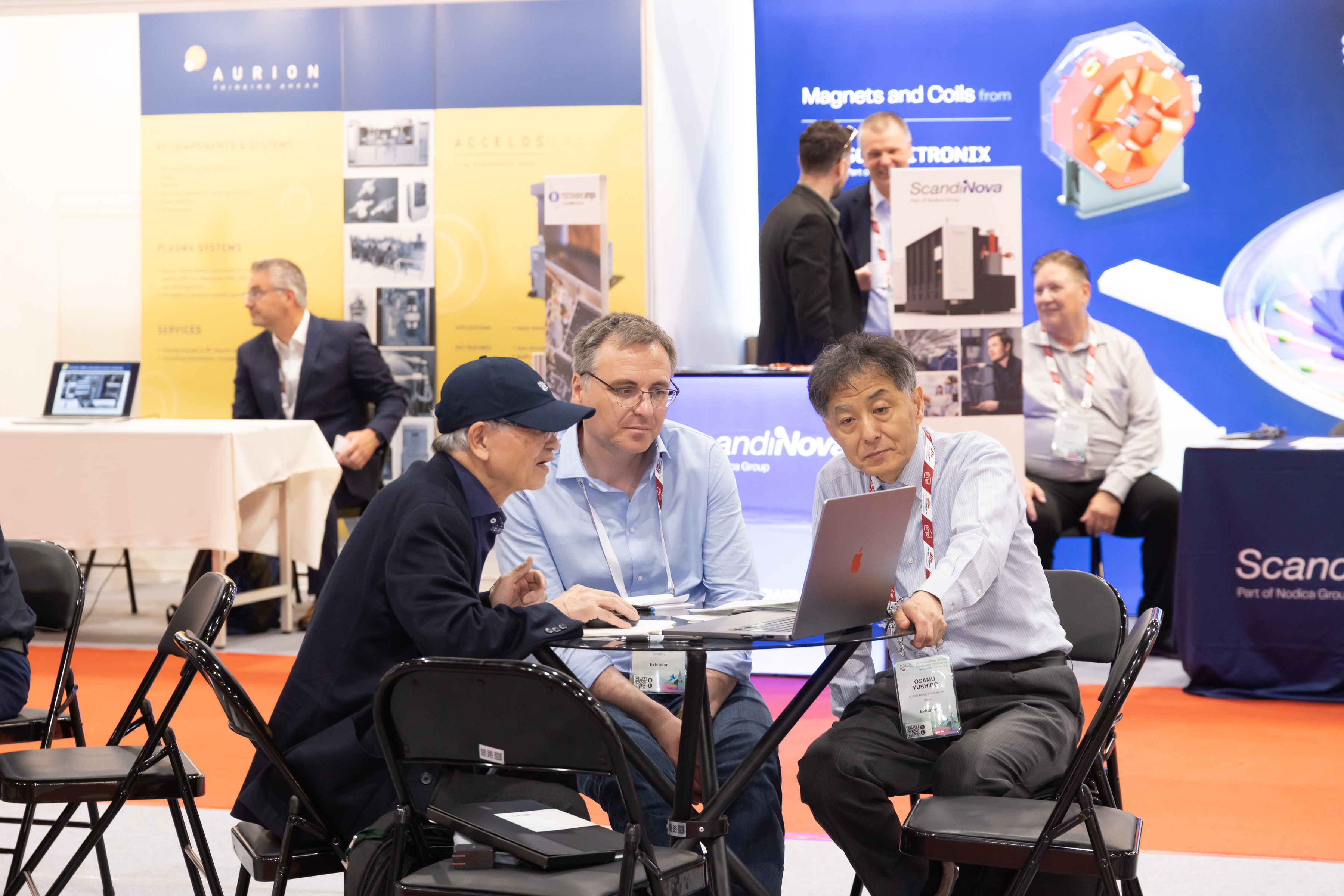
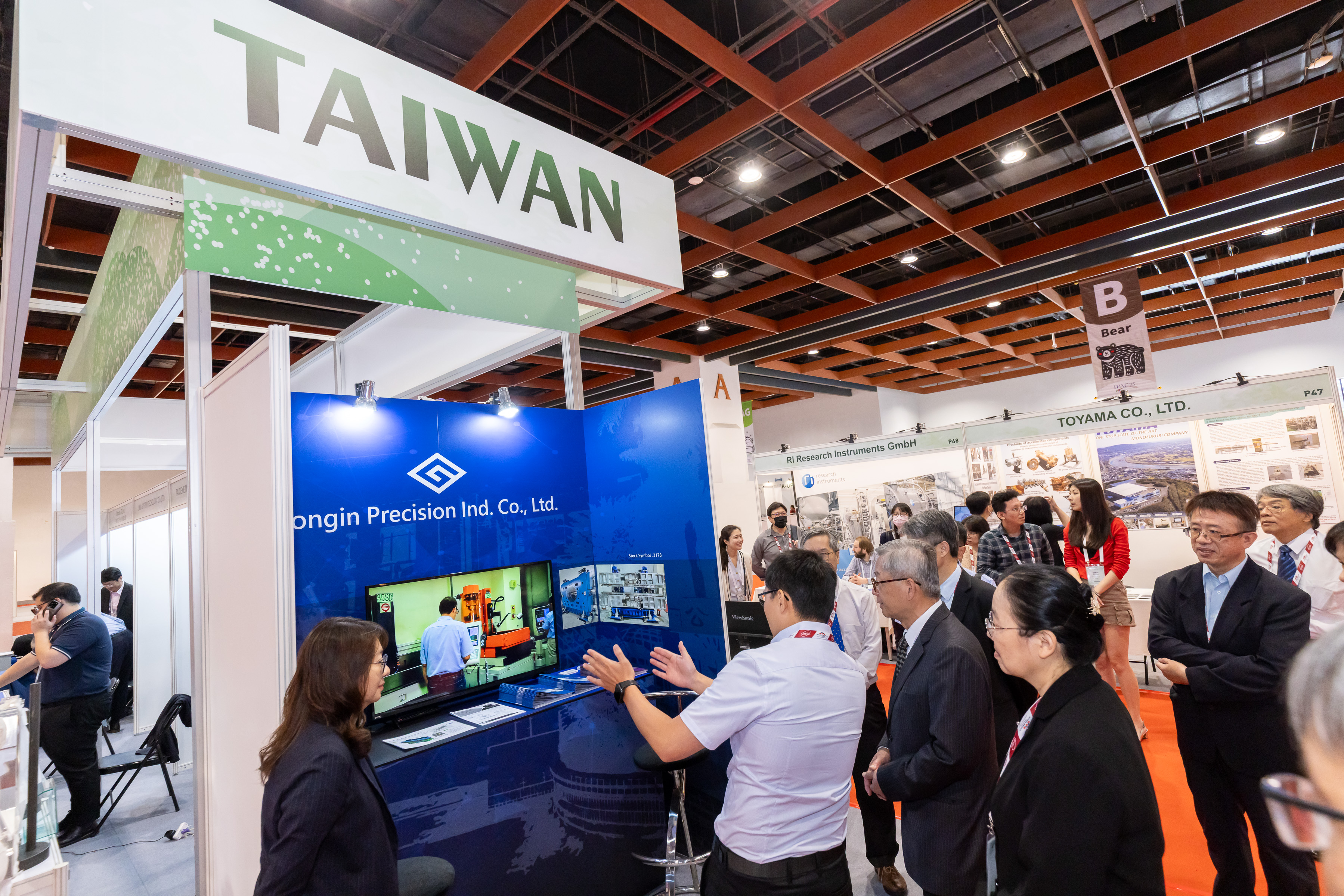
IPAC’25 as a platform connecting academia and industry, featuring a four-day exhibition with over 80 companies and organizations from around the world, showcasing the latest accelerator technologies.