Winter 2026 Newsletter

Winter 2026 Newsletter

Chair's Message: Holding the Line – and Reimagining the Path Forward

One of the most encouraging aspects of our Fall 2025 EGLS Meeting was that it did not shy away from hard conversations. In particular, the discussions sparked by our plenary talks on undergraduate physics curricula made clear that many of us are wrestling with the same unease:  the undergraduate physics major, as it traditionally existed, is under real strain.

After the meeting, I felt compelled to write about how deeply unsettling this reality feels to me and my thoughts on where possible solutions may lie (if you are interested, you can read further on my blog at https://rtackett1978.wordpress.com/). To summarize this much-too-long (for a Newsletter) essay, physics shaped how I think, how I solve problems, and how I understand the world. The idea that the physics major could quietly erode, especially at smaller or less research-intensive institutions, is not just professionally concerning; it is personally terrifying. And yet, pretending this pressure does not exist does us no favors.

At the same time, I want to be clear about what this conversation is not. This is not an argument against large R1 universities or the extraordinary research missions they carry. On the contrary, fundamental research in physics, supported by robust graduate programs, remains crucial to scientific progress and to society. Those programs train the next generation of researchers, innovators, and educators. We absolutely need them.

But those programs do not exist in isolation.

If we want staff graduate programs, national laboratories, and research enterprises with talented, well-prepared students, we must ensure that the undergraduate physics major remains viable and attractive across a broad range of institutions. That includes comprehensive universities, primarily undergraduate institutions, and schools where teaching, mentorship, and close student-faculty interaction are the defining strengths. For many students (including myself), these are places where a love of physics is first discovered, nurtured, and sustained.

The conversations at our Fall Meeting (particularly those led by Professors George and Gavrin) reinforced that the question before us is not simply whether the physics major should change, but how and why. What do we want our students to be able to do? What identities are we preparing them to inhabit? How do we preserve the intellectual rigor that defines physics while also responding honestly to changing student needs, career pathways, and institutional realities?

I do not pretend to have answers to all these questions. But I am deeply encouraged by the fact that EGLS is a place where these discussions are held openly, thoughtfully, and with genuine care for our students and our discipline. The future of the physics major will not be secured by nostalgia alone, but neither should it be surrendered out of fear.

As my term as Chair of EGLS ends, I would like to take a moment to express how much of an honor it has been to serve this community. Working alongside such thoughtful, generous, and dedicated colleagues has been one of the most rewarding professional experiences of my career. The strength of this Section lies not only in the science we do, but in the way we support one another, support our students, and engage seriously in the future of our field.

My hope is that we continue this conversation together:  across institution types, career stages, and subdisciplines. The health of physics as a field depends on the entire ecosystem working and evolving together.

Thank you for being part of that work.

Sincerely,

Ronald J. Tackett, Ph.D.
Chair, Eastern Great Lakes Section of the American Physical Society
Founding Head of the School of Foundational Studies, Kettering University
Associate Professor of Physics, Kettering University

Top


Fall 2025 EGLS-APS Meeting Highlights

The Fall 2025 Meeting of the Eastern Great Lakes Section (EGLS) of the American Physical Society (APS) was held October 24-25 at Eastern Michigan University, jointly hosted with the Michigan Chapter of the American Association of Physics Teachers (MIAAPT) and the Society of Physics Students (SPS) Zone 7. Centered on the theme “Discovery and Curriculum,” the meeting brought together 138 registered participants from across the region for two days of scientific exchange, education-focused discussion, and community building.

The plenary program showcased the breadth of physics research and pedagogy within the Section. Highlights included talks on rare isotope discovery at the Facility for Rare Isotope Beams, modern techniques for detecting black holes, preparations for the Vera C. Rubin Observatory’s Legacy Survey of Space and Time, and thoughtful examinations of the future of undergraduate physics curricula. Invited speakers included Dr. Mallory Smith (FRIB), Prof. Tonima Ananna (Wayne State University), Ardis Herrold (Vera C. Rubin Observatory), Prof. Elizabeth George (Wittenberg University), and Prof. Andy Gavrin (Indiana University, Indianapolis).

The scientific program featured 84 submitted abstracts, including invited talks, contributed talks, and posters, with strong student participation throughout. Poster sessions and parallel contributed sessions provided ample opportunity for discussion across subfields, while a well-attended banquet and planetarium presentations added to the sense of shared experience and engagement.

A highlight of the Fall 2025 EGLS APS Meeting was the recognition of outstanding student contributions through the Section’s poster and contributed talk awards. These awards celebrate both the quality of the scientific work presented and the clarity with which students communicated their results.

Awards for Best Poster were presented to Fawaz Baig (undergraduate, University of Michigan–Dearborn) and Peninah Kariuki (graduate, Cleveland State University). Awards for Best Contributed Talk were presented to John Scott (undergraduate, The Ohio State University) and Graham Colton (graduate, University of Michigan).

The Eastern Great Lakes Section congratulates all of the award recipients and thanks the many student presenters whose work contributed to a vibrant and engaging scientific program. Supporting student participation and recognizing excellence at both the undergraduate and graduate levels remain central to the mission of the EGLS. The strength of student contributions at this meeting was a clear reflection of that commitment.

Finally, the meeting concluded with several well-attended satellite events, including an SPS Zone 7 Career Mentorship Workshop, an Advanced Laboratory Physics Association (ALPhA)-led Share-a-thon of upper-division experiments, and an AAPT Re-envisioning Undergraduate Physics Education (REV-UP) curriculum discussion, all of which naturally built upon the meeting’s educational themes.

Our Spring meeting will be held on Friday and Saturday, May 1 and 2, 2026 in Detroit, Michigan on the campus of Wayne State University. We look forward to seeing you there!

Meeting Pictures
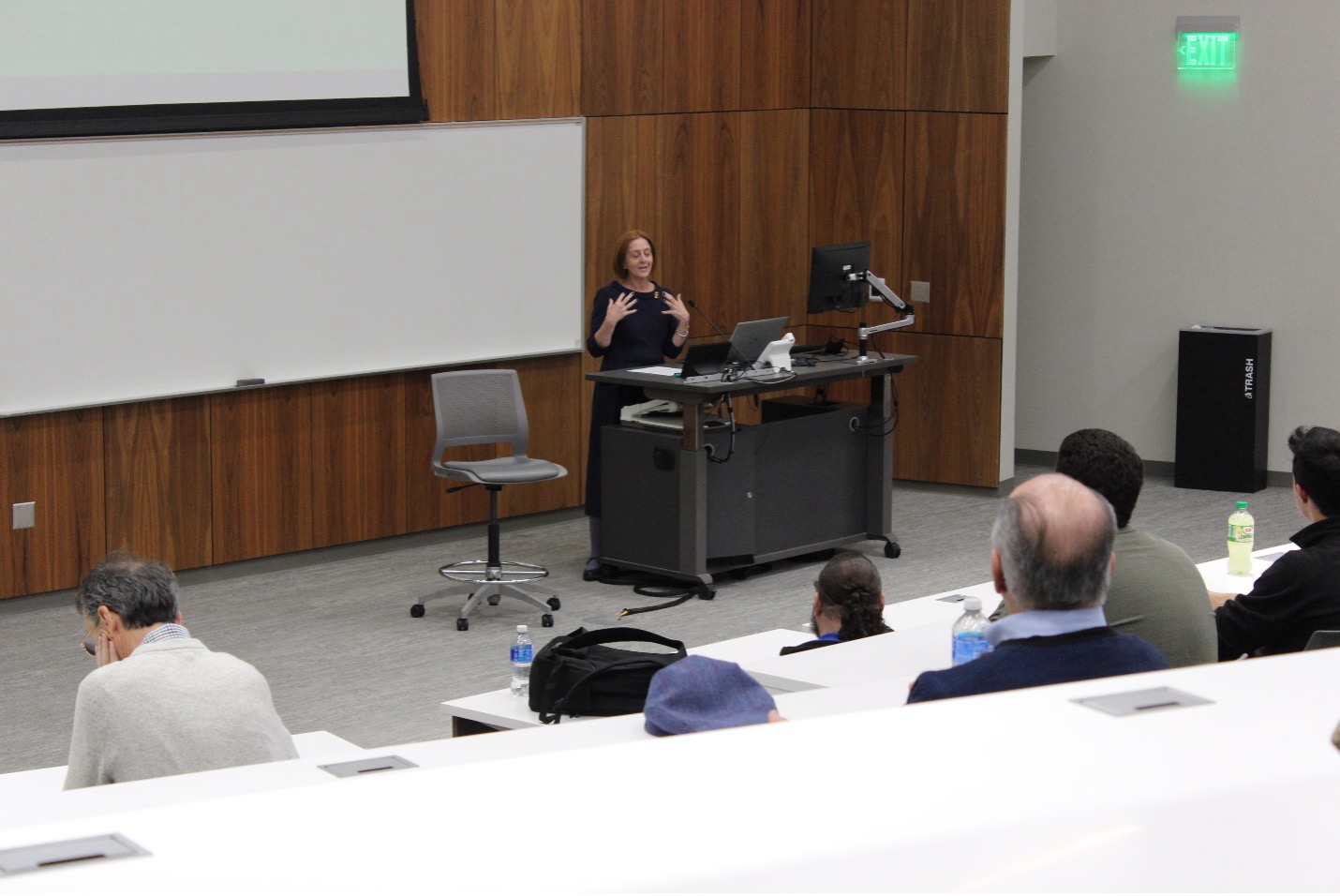
Dr. Carol Bishop Mills, Dean of the College of Arts and Sciences at Eastern Michigan University, provided brief welcoming remarks just before the first plenary session.
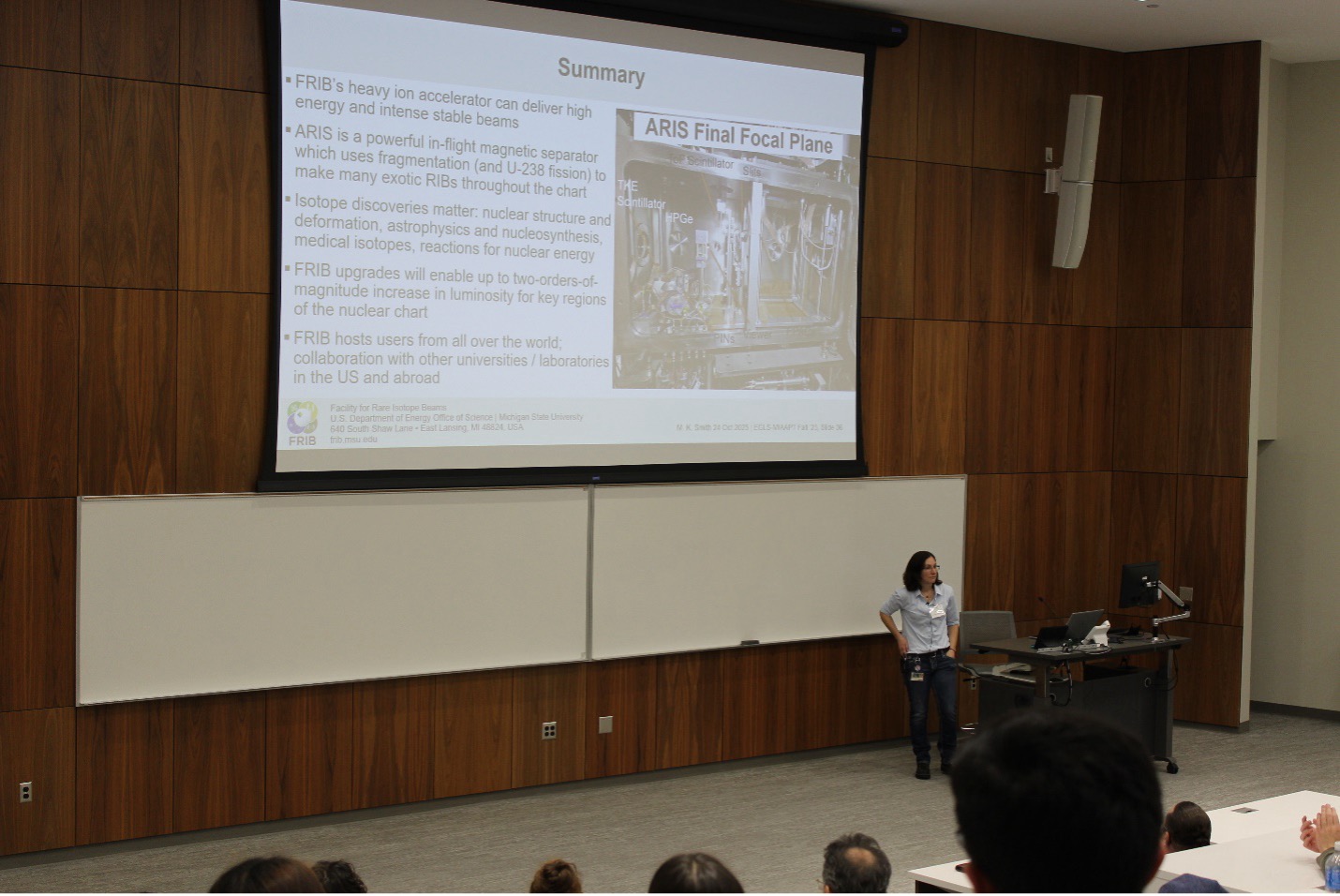
Dr. Mallory Smith, From MSU’s Facility for Rare Isotope Beams (FRIB), presented “Making rare isotopes at FRIB: from discovering new isotopes to enabling forefront science experiments in nuclear physics.”
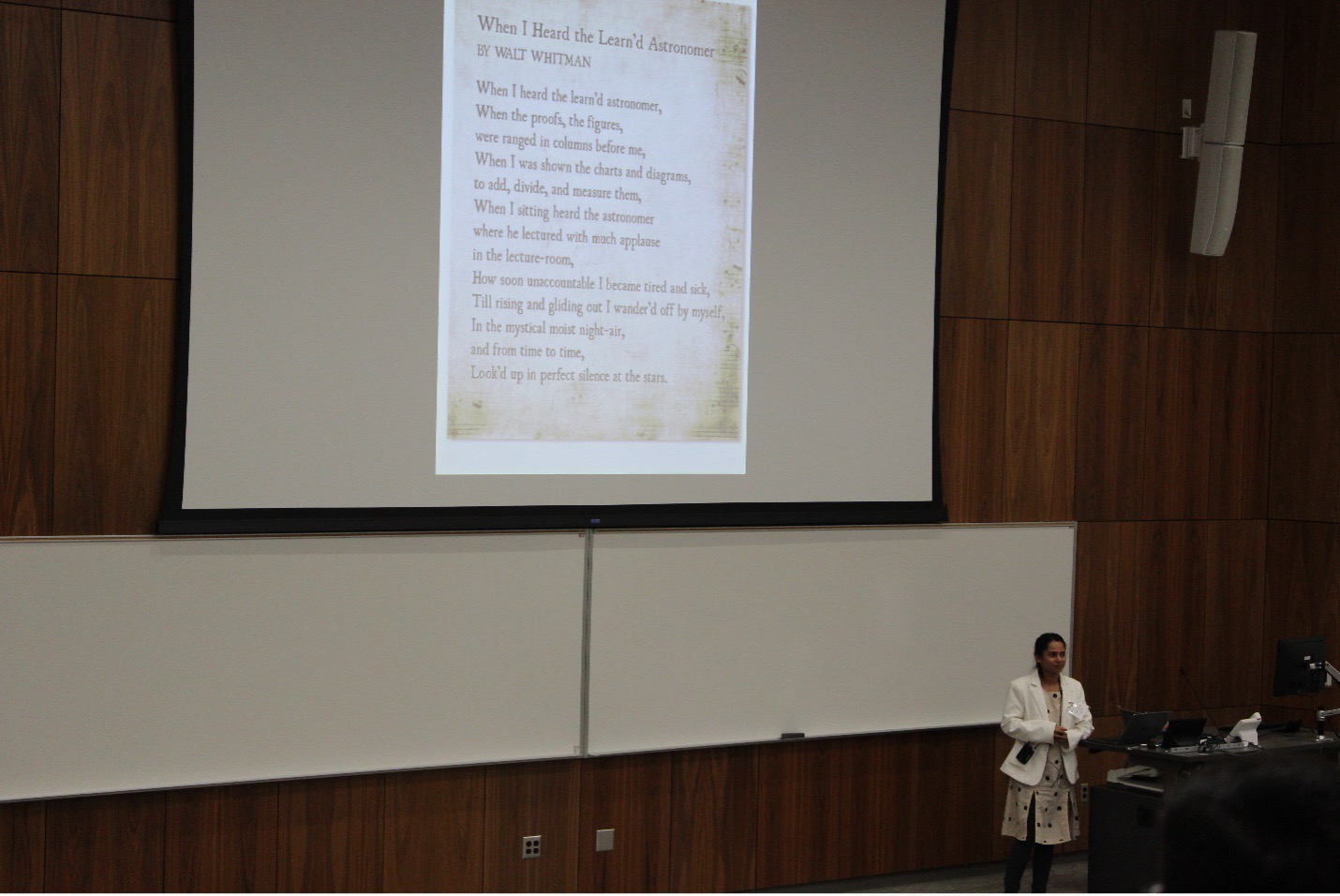
Asst. Prof. Dr. Tonima Ananna from Wayne State University presented “Catching a Star: How modern astronomers find exciting phenomena.”
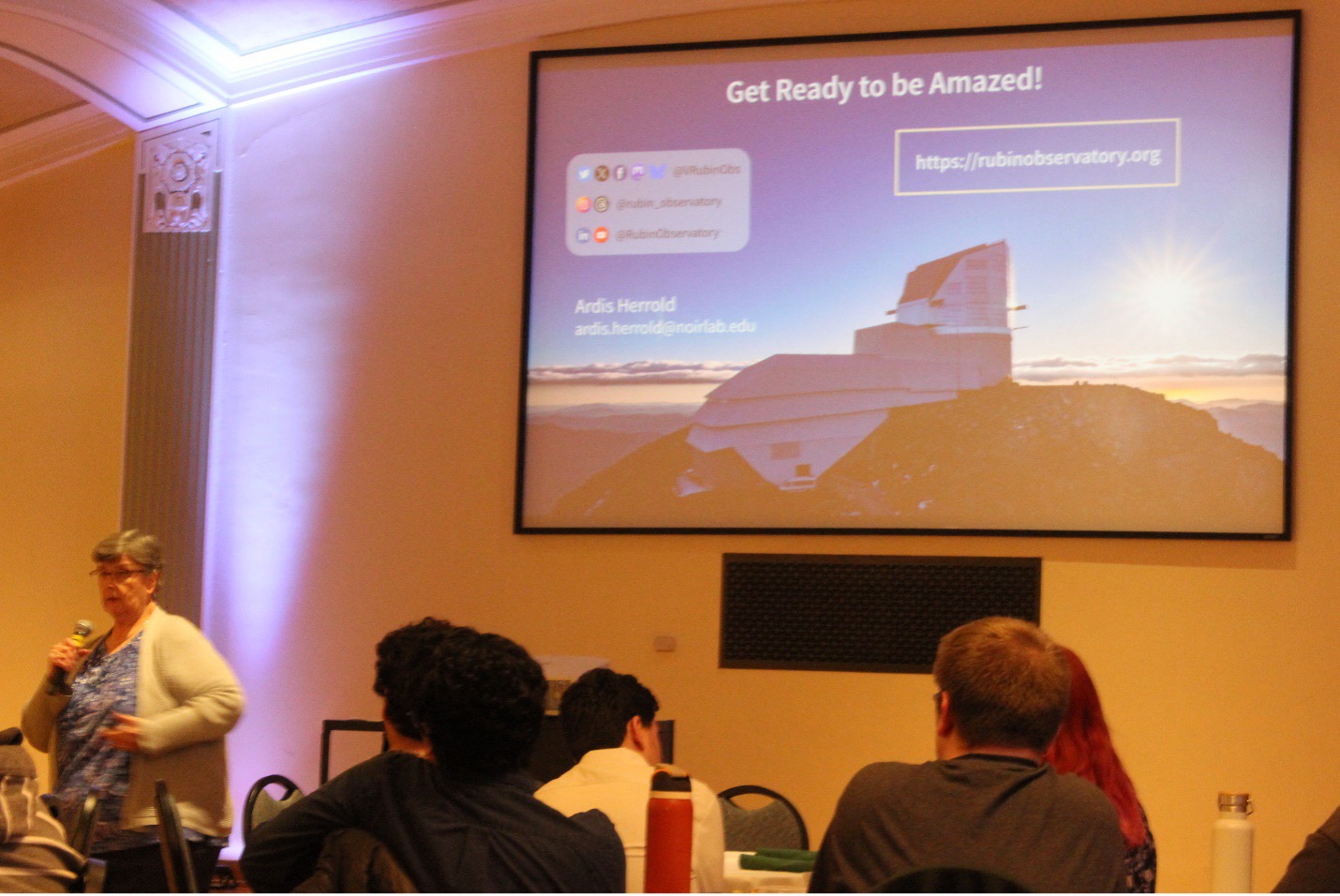
After the banquet, Ardis Herrold, Senior Education Specialist of the Vera C. Rubin Observatory, presented “Vera C. Rubin Observatory: Opening a New Era of Discovery.”
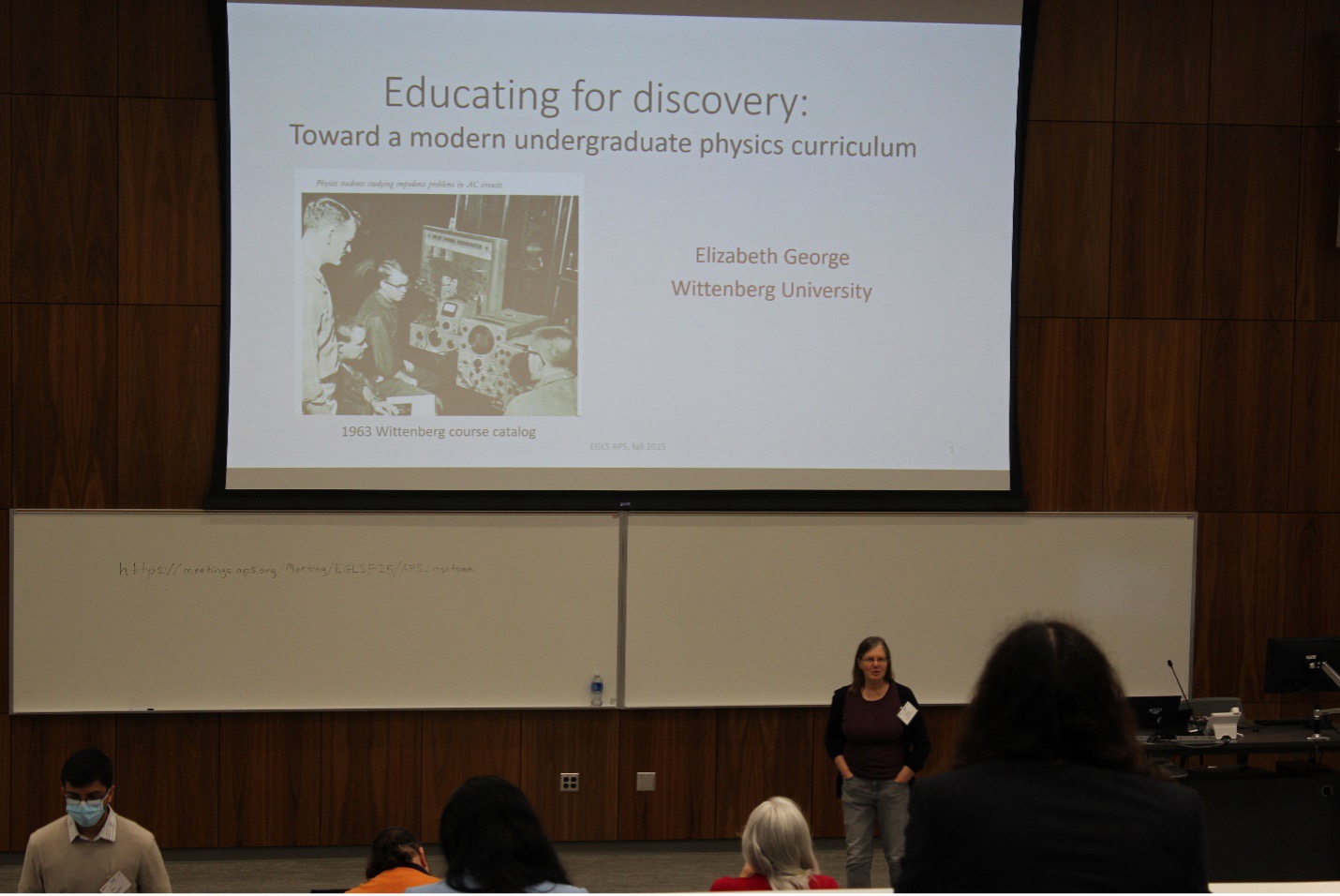
Prof. Elizabeth George of Wittenberg University presented “Educating for discovery: toward a modern undergraduate physics curriculum.”
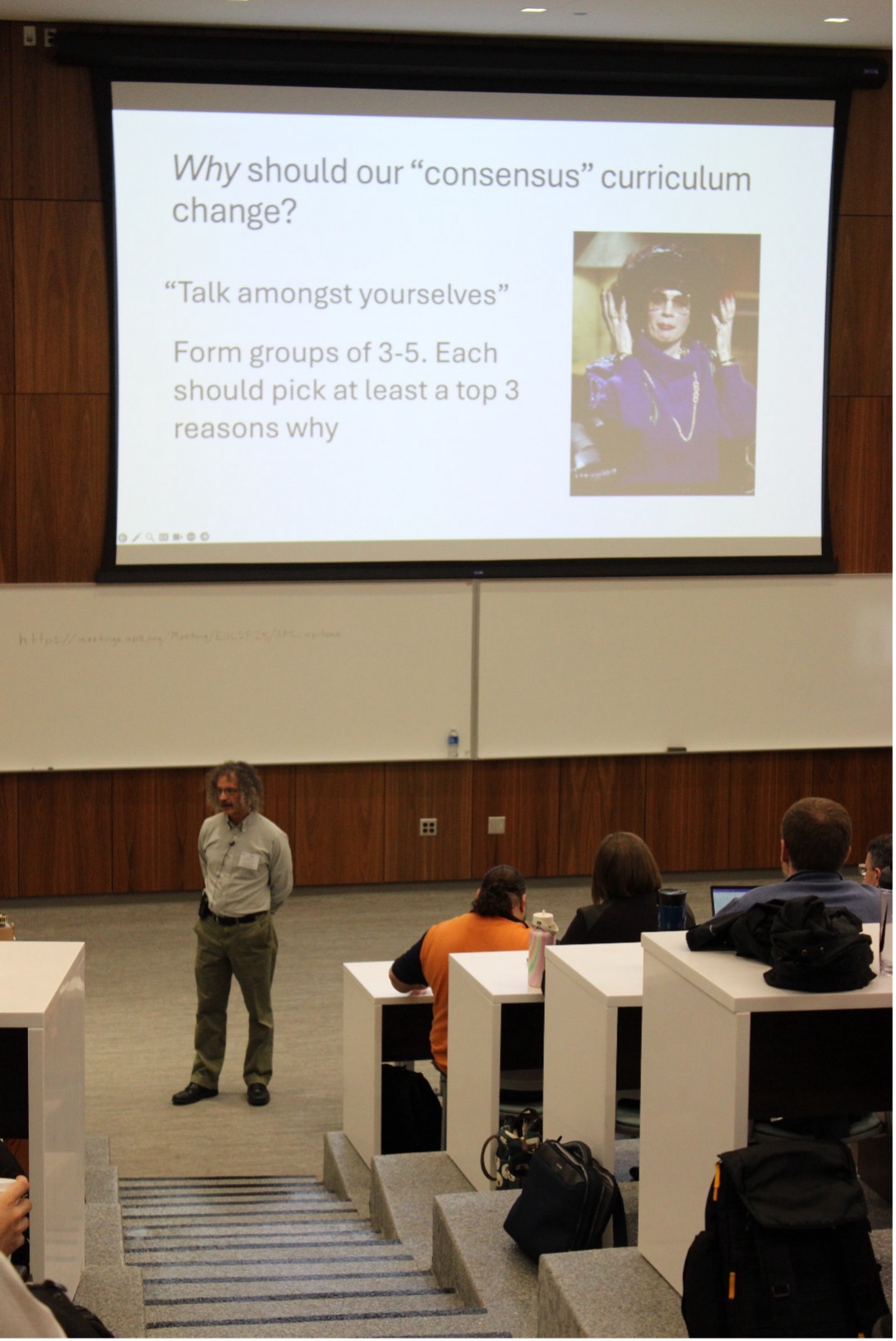
Prof. Andy Gavrin from Indiana University at Indianapolis presented “Whither the Undergraduate Physics Curriculum?”
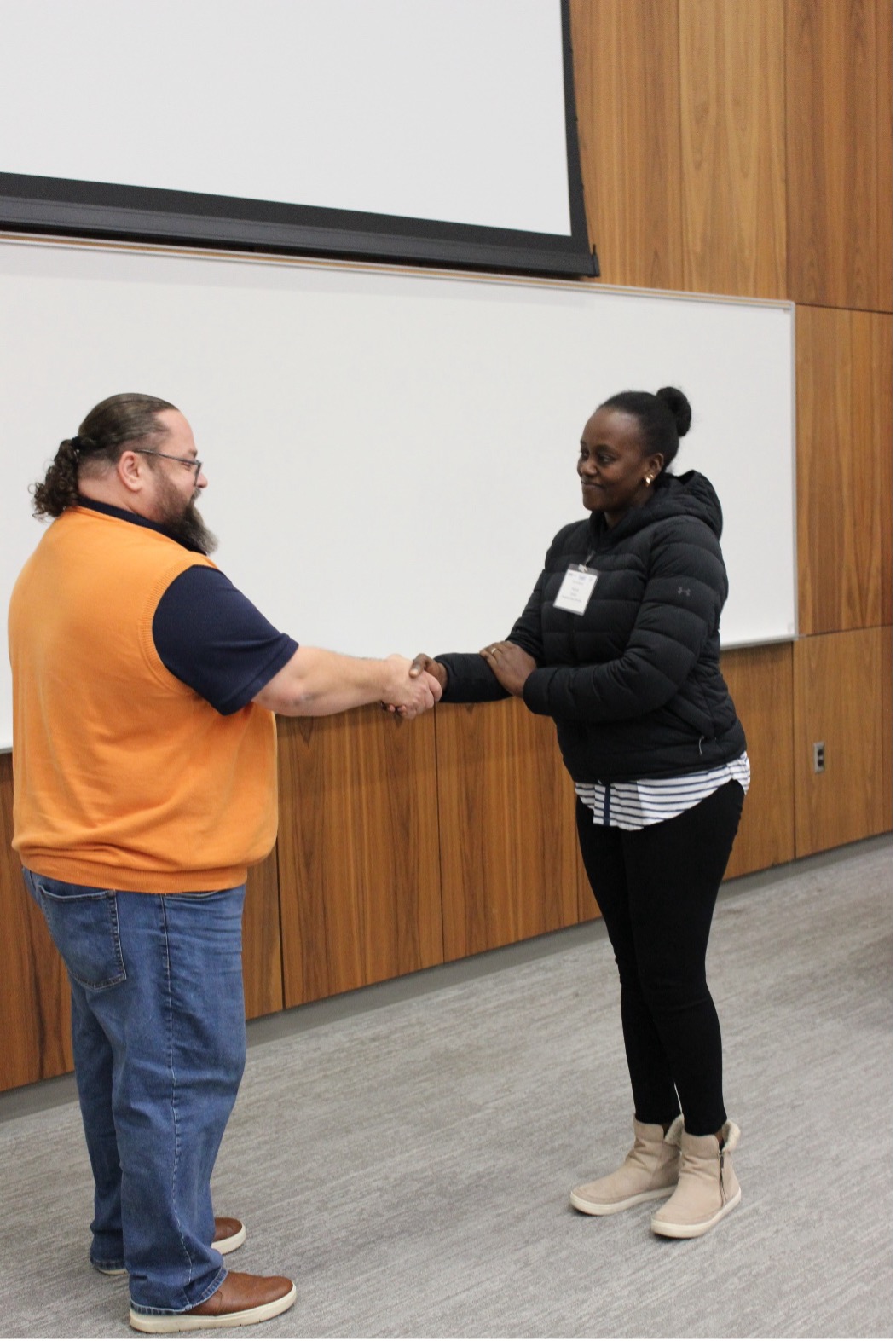
Dr. Ronald J. Tackett, chair of the EGLS, presents the Outstanding Graduate Poster Award to Peninah Kariuki from Cleveland State University.
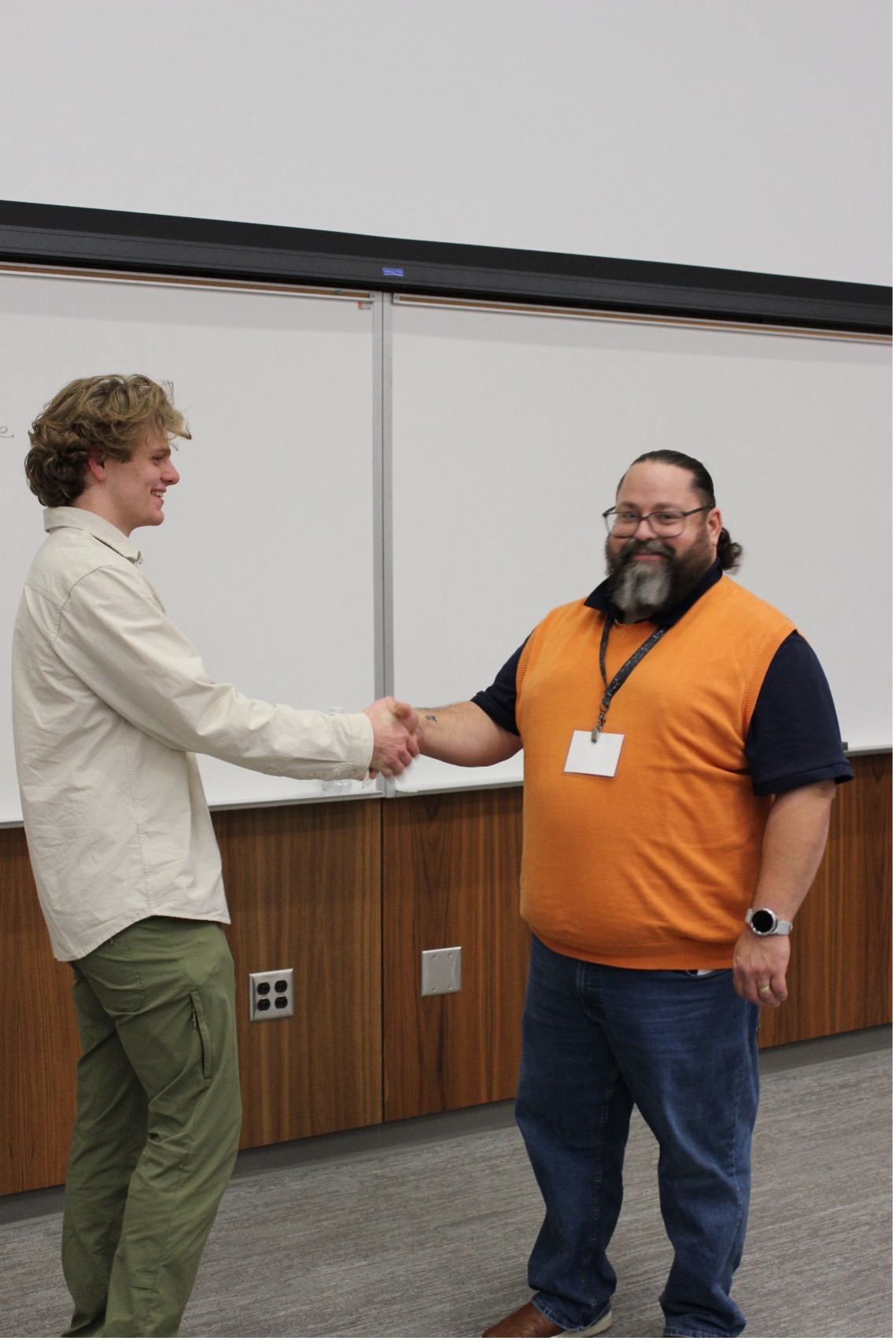
Dr. Ronald J. Tackett, chair of the EGLS, presents the Outstanding Undergraduate Talk award to John Scott of the Ohio State University.

Top


In Memorium: Perry P. Yaney, Ph.D. (July 28, 1931 – August 5, 2025)

The Eastern Great Lakes Section (EGLS) of the American Physical Society mourns the passing of Dr. Perry P. Yaney, Professor Emeritus of Physics at the University of Dayton and a longtime leader in our section, on August 5, 2025, at the age of 94. A Fellow of the APS, Dr. Yaney served the EGLS (formerly the Ohio-Region Section) in numerous roles, including as Chair and as Archivist, where his dedication preserved the section’s history and strengthened its community. In recognition of his decades of service, Dr. Yaney was awarded the Howard Maxwell Award for Distinguished Service to the EGLS in Spring 2025.

Dr. Yaney’s career was marked by exceptional contributions to physics education, research, and service. At the University of Dayton, he co-founded the Electro-Optics Graduate Program, mentored generations of students, and advanced pioneering research in the field of electro-optics. His leadership and commitment to the APS left an enduring legacy within our section and the broader physics community. We extend our deepest condolences to his family, friends, and colleagues. His full obituary is available here.

Top


Transition to APS OpenWater for EGLS Unit-Level Awards

As part of a broader initiative by the American Physical Society, all APS units, including regional sections like EGLS, are now required to migrate unit-level awards to APS’s centralized application and nomination platform, OpenWater. This transition will take effect for our EGLS awards starting with the upcoming award cycle.

The move to OpenWater is intended to streamline the nomination and review process, improve consistency across APS units, and provide better long-term record-keeping for awards and recipients. Many APS divisions and sections have already completed this transition, and EGLS will be following suit in coordination with APS National staff.

Over the coming months, the EGLS Executive Committee will work closely with our Awards Committee, chaired by Dr. Jason Pinkney, and the APS to migrate our awards, including the Howard Maxwell Award, William Fowler Award, and Doc Brown Young Investigator Award, into the OpenWater system. This process includes confirming application timelines, nomination materials, evaluation criteria, and review workflows. Once finalized, all nominations and applications for these awards will be submitted and reviewed exclusively through OpenWater.

For nominators and applicants, the overall content of award materials is expected to remain largely familiar. The primary change will be how materials are submitted, not what is requested. APS has extensive experience supporting units through this transition, and additional guidance will be provided well in advance of nomination deadlines.

We recognize that changes to established processes can take some adjustment, and the EGLS Executive Committee is committed to making this transition as smooth and transparent as possible. More detailed information, including timelines and links to the OpenWater application pages, will be shared as they become available.

If you have any questions or concerns in the meantime, please don't hesitate to contact the EGLS leadership team, whose contact information can be found here (LINK). We appreciate your flexibility as we align our awards processes with APS-wide practices and look forward to continuing to recognize excellence across our Section.

Top